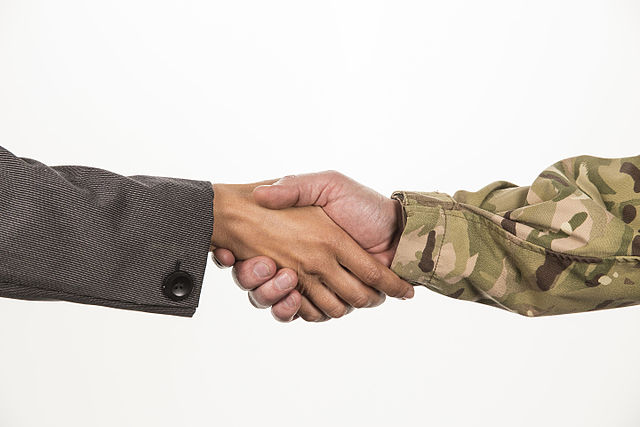
Imagine you’re shaking someone’s hand. Seems normal, right? Polite. Routine. Maybe a little awkward if you’re not sure whether to go for the firm grip or the cool, casual clasp. But what if I told you that some handshakes have carried the weight of empires, secret codes, and brotherhoods so old they make the pyramids feel young?
Welcome to the world of the Secret History Handshake.
Not Just a Gesture, A Signal
Most of us treat handshakes like background noise. You’re introduced to someone new, you clasp palms, maybe give a couple pumps, and move on. But for centuries, certain handshakes meant a whole lot more. They were symbols of allegiance, entry tickets into underground networks, and silent affirmations of shared values.
Think of the Freemasons. Their handshakes, known as “grips,” weren’t just club gimmicks. They were carefully crafted signs passed down in ritual and secrecy. You couldn’t just fake your way into a lodge. The wrong squeeze or pressure in the wrong spot? That could expose you as an outsider. And maybe worse.
Different degrees of Masonic membership had different grips. The Entered Apprentice grip involved pressing your thumb against a specific knuckle joint. The Fellow Craft grip used a different pressure point. Master Masons had their own variation. These weren’t arbitrary. They were designed so that members could recognize each other in the dark, in crowds, or in situations where speaking openly would be dangerous.
And it wasn’t just the Masons. The Knights Templar, the Odd Fellows, the Knights of Pythias, dozens of fraternal organizations throughout history developed their own secret handshakes. In the 18th and 19th centuries, these groups were massive. Millions of men belonged to secret societies, and the handshake was your passport into rooms where business deals happened, political alliances formed, and social networks that could make or break your career lived.
The Romans Had a Version Too
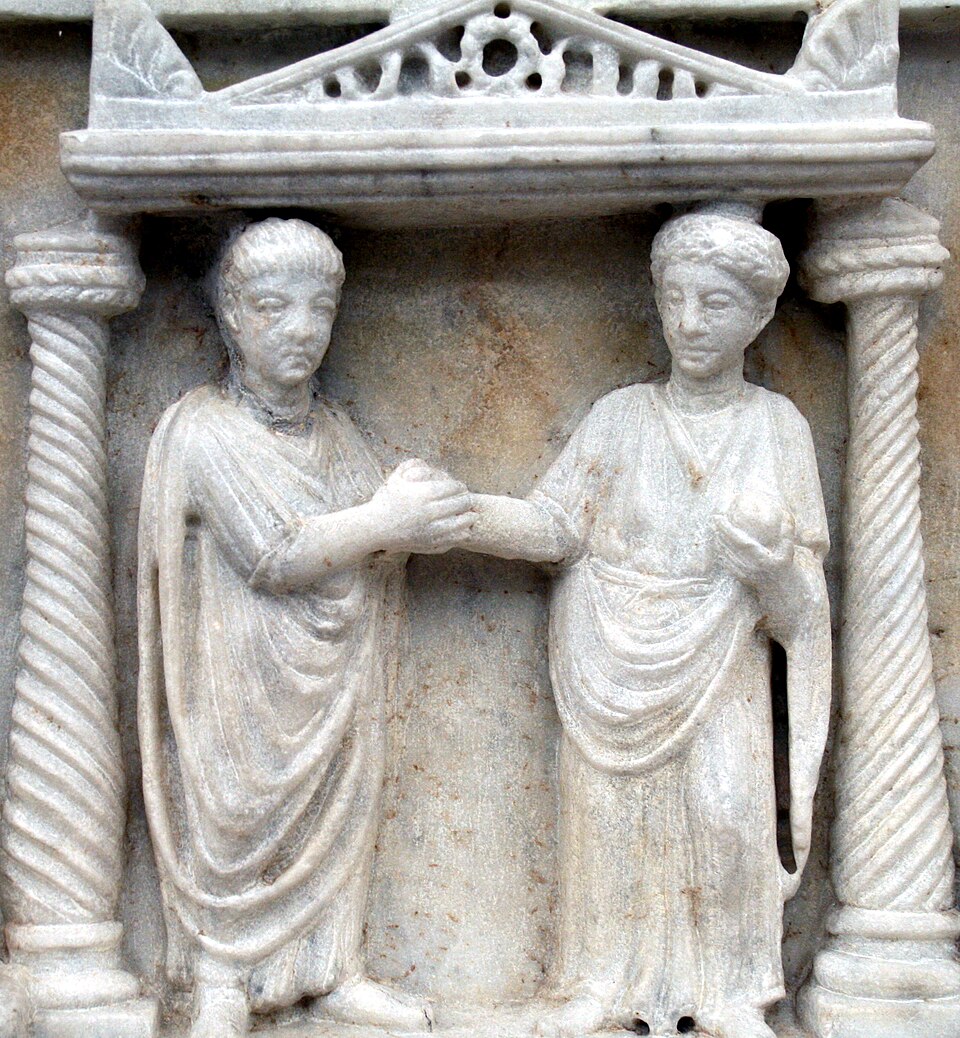
Take a look at some old Roman sculptures or coins. You might spot a very particular handshake: forearm to forearm. This wasn’t a casual greeting. It was a sign of trust, neither person could draw a weapon while their sword arm was locked with yours. Smart, right? Also kind of badass.
The Romans called it the “dextrarum iunctio” or joining of right hands. You see it depicted in ancient art showing treaties being signed, marriages being sealed, and military alliances being formed. When two Roman generals clasped forearms, they were literally putting their lives in each other’s hands. One quick twist and you could break someone’s arm or pull them off balance.
It’s this gesture that modern military salutes and greetings evolved from. The handshake wasn’t just about saying hi. It was about survival. Soldiers today still use variations of the firm, forearm-gripping handshake when meeting fellow service members, a tradition that goes back thousands of years.
Medieval Secret Societies and Guild Handshakes
During the Middle Ages, craft guilds controlled entire industries. Stonemasons, metalworkers, glassmakers, they all had their secrets. Techniques passed down only to apprentices who proved worthy. And how did you prove you’d completed your training? Often through a secret handshake or sign that showed you’d been initiated into the mysteries of the craft.
These weren’t just social clubs. Guild membership determined whether you could work, where you could live, and who you could marry. The handshake was your proof of membership, your credential, your entire professional identity wrapped up in a gesture. Mess it up, and you could be accused of being a fraud trying to steal trade secrets.
The stonemasons were particularly serious about this. Their handshakes and signs eventually evolved into what became Freemasonry. The connection between medieval craft guilds and modern Masonic lodges is still debated by historians, but the ritual elements, including the secret grips, clearly have roots in those old guild traditions.
The Underground Railroad and the Silent Nod
In more recent history, especially during the time of the Underground Railroad in the United States, enslaved people and abolitionists used gestures and secret signals to recognize each other without tipping off slave catchers or unsympathetic bystanders. Some historians believe unique handshakes and touches were part of this coded communication system.
Conductors on the Underground Railroad needed ways to identify safe houses and fellow abolitionists. A specific way of shaking hands, combined with certain phrases or clothing items, could communicate volumes without saying anything incriminating. If you were caught helping escaped slaves, you could be imprisoned or killed. The stakes were life and death.
Even jazz musicians during the Harlem Renaissance supposedly had ways of shaking hands that communicated who was “in the know,” a sort of cultural fingerprint shared among those who lived double lives, one for society, one for survival. In a world where being Black meant navigating constant danger and discrimination, these small signals created moments of recognition and safety.
Gang Culture and the Evolution of Hand Signals
Fast forward to modern times. Ever seen a complex handshake in a movie involving gang members? Those elaborate routines aren’t just for flair. They’re built on centuries of secret signals. Handshakes became tribal markers, evolving in each group, region, or family. If you know it, you’re part of the crew. If you mess it up, you’re not.
It’s like passing a test, except the test is made of rhythm, timing, and trust.
Street gangs in the 20th century took the concept to new levels. The handshakes became intricate choreography, sometimes lasting 30 seconds or more, involving slaps, snaps, fist bumps, and gestures that looked like dance moves. Each gang had its own version. Each neighborhood might have variations. Your ability to perform the handshake proved you were legitimate, not an undercover cop or a rival trying to infiltrate.
But it’s not just gangs. Fraternities and sororities on college campuses have secret handshakes. Sports teams develop elaborate greeting rituals. Even corporate cultures sometimes develop their own handshake traditions, ways of signaling who’s part of the inner circle.
Pop Culture’s Take, Real or Ridiculous?
You’ve probably seen those funny, over-the-top bro handshakes in movies, slaps, fist bumps, spins, maybe even a little explosion gesture at the end. While most are exaggerated for comedy, they’re rooted in real-world examples of people building identity through touch. Think about it: when you have a secret handshake with a friend, it means something. You both remember it. It’s your thing.
And no, it’s not just for teenagers or cults. Adults do it too. Sports teams, secret societies, even heads of state. Barack Obama was famous for his various handshakes with different people, each one customized to the relationship. Athletes have signature handshakes they perform before every game. It’s ritual. It’s bonding. It’s human.
The psychology behind it is actually fascinating. When you share a secret handshake with someone, you’re creating a physical memory together. Your brain links that person to that specific movement pattern. It triggers oxytocin, the bonding hormone. It creates in-group feeling and trust. Scientists who study body language and nonverbal communication have found that synchronized physical rituals like secret handshakes actually strengthen social bonds more effectively than words alone.
Why It Still Matters
So why should any of this matter to you today? Because it reminds us that communication is more than words. It’s texture. It’s timing. It’s touch.
Handshakes can say: “You’re safe with me.”
Or: “You’re one of us.”
Or even: “You’re not welcome here.”
And that’s powerful. It’s part of what makes being human so strange and wonderful. We layer meaning into the tiniest things, even something as small as a handshake.
In a world increasingly dominated by digital communication, the handshake remains stubbornly physical. You can’t fake it through a screen. You can’t photoshop the pressure of someone’s grip or the timing of the release. It’s analog. It’s real. It’s one of the last truly human interactions we have in professional and social settings.
Job interviews still hinge partly on that first handshake. Business deals are “sealed with a handshake.” We still say someone’s word is “as good as a handshake,” meaning it’s binding and trustworthy. The gesture has survived thousands of years because it works. It communicates trust, confidence, respect, or the lack of all three in a fraction of a second.
Next time someone reaches out to shake your hand, pause for just a second. What are they really saying?
What are you saying back?
Maybe you’re just being polite. Or maybe, without even realizing it, you’re participating in a ritual as old as civilization itself, a silent language of grip and release that’s passed between humans since before we had words for trust.
Sources:
1. “The History of the Handshake.” Smithsonian Magazine.
2. “The Secret Handshakes of the Freemasons.” History.com.
3. “The Masonic Rituals and Freemasonry.” BBC History.
4. “The Roman Salute and Handshake Origins.” World History Encyclopedia.