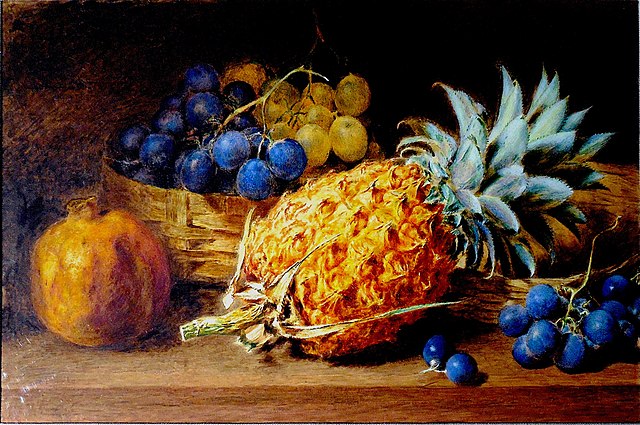
It wasn’t gold. It wasn’t jewels. It was a pineapple.
In 1765, a fruit caused an international scandal. Not just any fruit, mind you. A pineapple. Spiky, golden, and oddly regal, the kind of thing that looks like it belongs on a velvet cushion rather than on your plate.
This is the story of how a single stolen pineapple sent shockwaves through colonial society, bruised egos, sparked rumors of espionage, and maybe, just maybe, helped plant the seed of resistance in a world that was already ripe with tension.
The Pineapple: Symbol of Power, Wealth, and Obnoxious Flexing
In the 18th century, pineapples were basically the Louis Vuitton of fruit.
They were rare, expensive, and ridiculously hard to grow in cold European climates. A single pineapple could cost the equivalent of $8,000 in today’s money. That’s more than some people’s cars. For a fruit. That you eat once and it’s gone.
Only the absurdly rich had access to them. Nobles rented them by the hour for parties just to show off. They’d place the pineapple on a table as a centerpiece, let guests admire it, photograph it (well, have it painted), and then return it to the rental company for the next party. Some never even ate them. They just… posed with them.
Imagine renting a fruit for clout. That’s where we were as a species.
The pineapple became such a status symbol that architects started carving pineapple motifs into gateposts and building facades. If you visit historic estates in England today, you’ll still see stone pineapples perched on pillars, silent testimonies to humanity’s weirdest flex.
The fruit originally came from South America, where indigenous peoples had been cultivating it for thousands of years. But when European explorers encountered it, they lost their minds.
Christopher Columbus brought pineapples back to Europe in 1493, and suddenly every wealthy person had to have one.
Growing them in Europe’s climate was nearly impossible without expensive hothouses heated by coal fires and tended by specialized gardeners. The British aristocracy created entire greenhouse systems just to produce a fruit that grew wild in tropical climates.
So when word got out that the British East India Company had managed to cultivate a pineapple on foreign soil in Bengal, and was planning to showcase it during a diplomatic banquet in Calcutta, it wasn’t just fruit. It was propaganda.
It was the empire saying: Look what we can make grow in your land. Look how far our reach extends. We don’t just rule you, we’ve mastered your climate, bent your soil to our will, and produced a symbol of European wealth on your doorstep.

A Thief With Taste
No one expected the pineapple to vanish.
It was stored in a heavily guarded hothouse on the Company’s grounds, kept under constant surveillance by multiple guards, and scheduled to make its debut at the Governor-General’s grand reception. The event was meant to impress local rulers and demonstrate British agricultural prowess. Dozens of Company officials and Indian nobility were invited. The menu had been planned for weeks.
But the morning of the banquet, it was gone.
Not sliced. Not partially eaten. Not knocked over by accident. Straight-up vanished, along with its pot, its soil, everything. Like someone had performed a magic trick with a fruit.
Panic set in immediately. The Governor-General was furious. The head gardener was interrogated for hours. Was it sabotage? A prank? An inside job? Political theater?
Some whispered it was the French, still bitter from their recent losses in India and eager to embarrass their British rivals. The Seven Years’ War had just ended, with Britain emerging dominant in India, and French agents were still operating throughout Bengal. A pineapple heist would be exactly the kind of petty, symbolic revenge the French might attempt.
Others accused local resistance fighters of mocking the British with what one newspaper called an “edible act of defiance.” Anti-colonial sentiment was simmering throughout India. The British East India Company had grown increasingly aggressive in its territorial expansion, and resentment was building in ways that would eventually explode decades later.
One British officer reportedly said, “We have lost more than fruit. We have lost face.” And in the rigid hierarchical world of 18th-century colonialism, losing face was almost worse than losing territory.
The Hunt Begins (and Gets Weird)
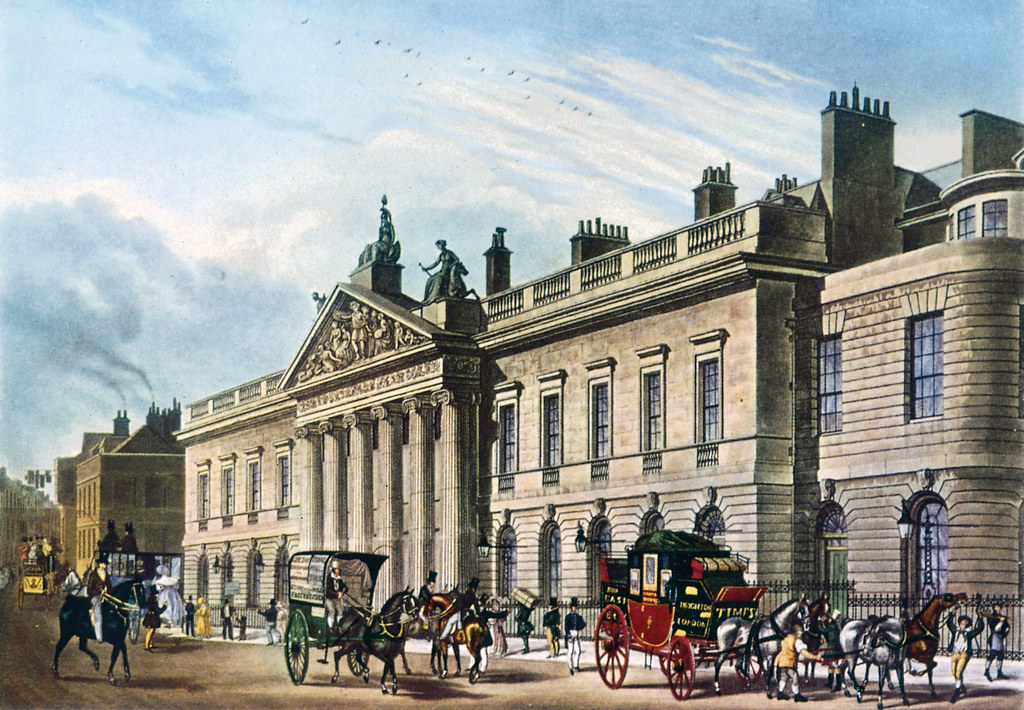
Searches were launched. Servants were interrogated, some harshly. Guards were dismissed. The entire compound was turned upside down looking for evidence. Surveillance on market fruit vendors intensified to ridiculous levels. Company officials actually sent agents to local bazaars to monitor anyone selling tropical fruit.
Imagine being accused of treason because your cart smelled vaguely tropical. Because you happened to have a mango for sale on the wrong day. The paranoia was real and deeply stupid.
An illustrator in Bengal, whose name was never recorded (or was deliberately scrubbed from records), published a cartoon of a British officer chasing a pineapple across a rice field, sword drawn, face red with exertion and rage. The pineapple had little legs and was outrunning him. It was brilliant satire.
It circulated fast. Too fast. Printed copies showed up in coffeehouses, markets, and even in the homes of Company officials. The Company banned it immediately, threatening prosecution for anyone caught distributing it, which of course only made it more popular. People started copying it by hand. It became a meme before memes existed.
Some say that cartoon reached London. That it landed on desks of East India Company directors, men who had once planned sugar routes and tea monopolies and the taxation of entire subcontinents. That it made someone in a powdered wig pause and ask: What else are we losing control of?
The investigation dragged on for weeks. Rewards were offered for information. None came. The pineapple had simply vanished into thin air, or more likely, into someone’s stomach.
Did Anyone Actually Eat the Pineapple?
Good question. And one that was never answered.
Rumors swirled for months, each more elaborate than the last. One theory said a kitchen maid smuggled it out in her skirt during a shift change, carried it home to her family in the city, and they ate it together with no idea they were devouring a symbol of empire. Just a surprisingly fancy dinner on an otherwise ordinary night.
Another claimed it ended up as a gift to a Bengali poet and intellectual who had been vocal about British overreach. The story goes that he received the pineapple, painted its likeness onto silk in beautiful detail, and then burned the actual fruit in a symbolic rejection of colonial materialism. Never confirmed, but poetic enough to persist in oral histories.
A third rumor suggested it was taken by Company employees themselves, disillusioned workers who were tired of serving an empire that treated them as expendable. They supposedly divided it among themselves in a backroom somewhere, each taking a slice as a tiny act of rebellion.
Was it wasteful? Possibly. Was it poetic? Absolutely.
No one ever confessed. No pineapple was ever found, or at least no evidence of one. And the banquet? It went on without its star attraction. The Governor-General had to serve conventional desserts, mangoes and guavas that were locally abundant and therefore symbolically worthless. The humiliation was complete.
Why It Mattered More Than It Should Have
Here’s where it gets serious.
The pineapple debacle exposed something fundamental about the British East India Company and imperial power more broadly. The empire, puffed up with ego and military might, was deeply insecure. It was obsessed with appearances. With performance. With maintaining an image of total control and cultural superiority.
That fruit wasn’t just dessert. It was a message, a carefully constructed symbol meant to demonstrate that British power could transform even the landscape, could make European luxuries grow in conquered soil.
And its disappearance? A rebuttal. A quiet but unmistakable statement that the colonizers didn’t control everything, that their symbols could be taken, their plans disrupted, their authority mocked.
In the years that followed, more subtle acts of rebellion took shape throughout British India. Not massive revolts, not riots in the streets. Just tiny ruptures. Punctures in the imperial balloon. A misdelivered telegram here that delayed troop movements. A translated pamphlet there that spread ideas the Company wanted suppressed. Administrative sabotage. Deliberate inefficiency. The little things that slowly shifted the tone of an era.
The British became more paranoid. More controlling. Which only bred more resentment. Which led to more resistance. The cycle that would eventually culminate in the Indian Rebellion of 1857 was already beginning, powered by a thousand small humiliations the empire inflicted and received.
The Forgotten Fruits of Resistance
We don’t talk about the pineapple much anymore. It’s a footnote in most colonial histories, if it’s mentioned at all. Most textbooks skip straight from trade monopolies to military conflicts, missing all the weird, human moments in between.
But maybe it deserves more attention.
Maybe it reminds us that not all resistance is loud. Sometimes it’s subtle. Sometimes it’s absurd. Sometimes it’s juicy and tropical and impossible to take seriously until you realize what it represents.
Sometimes resistance is refusing to be impressed by your oppressor’s symbols. Sometimes it’s taking those symbols and making them disappear. Sometimes it’s creating art that mocks power so effectively that power has to ban it, which only proves the art was right.
And sometimes, a single stolen pineapple says more about empire, pride, and the power of disruption than a thousand speeches ever could. It says that no matter how much control an empire thinks it has, it can’t control everything. It says that symbols can be stolen, reinterpreted, destroyed. It says that power is more fragile than it appears.
Next time you see a pineapple at the grocery store, probably sitting in a bin for three dollars, remember that this fruit once meant something completely different. Remember that people rented them for parties. That they represented colonial dominance. That one of them disappeared and embarrassed an empire.
And maybe, just maybe, appreciate the fact that the most powerful act of resistance in 1765 Bengal might have been someone, somewhere, taking a bite of forbidden fruit and smiling.
Sources:
1. “Pineapples and Power: Symbolism in the Colonial Garden” – Journal of Imperial Botany Studies (1766 reprint)
2. Dalrymple, William. The Anarchy: The Relentless Rise of the East India Company (Bloomsbury, 2019)
3. Eaton, Natasha. “The Politics of Taste: Exotic Fruit and Colonial Display” – Visual Culture Quarterly, 2020
4. Calcutta Courier archival illustrations, 1765–1766