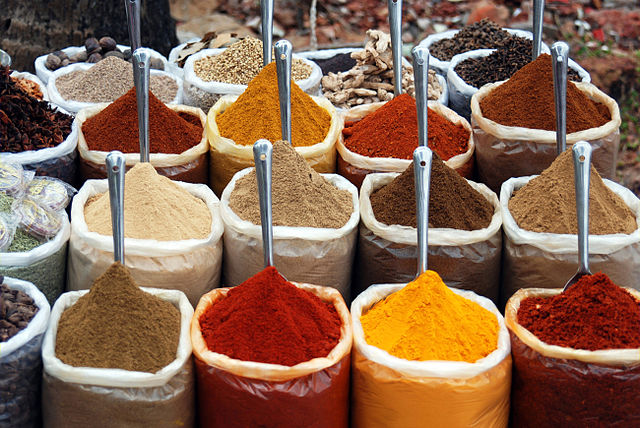
It All Started with a Taste
Imagine biting into your food and discovering fireworks. Not literal fireworks, obviously. But something explosive, something that jolts your senses and makes you pause and go, wait… what is that? Now imagine that same feeling thousands of years ago, when someone in a cold corner of the world first tasted pepper from India. Cinnamon. Cardamom. Clove. The experience was so powerful it would eventually rewrite the world map.
India didn’t just grow spices. It made people desperate for them. Willing-to-cross-oceans kind of desperate. Willing-to-wage-war desperate. And that’s how it all started.
Before the Spice Hype
Long before the Romans were throwing dinner parties with flamingo tongues and spiced wine, people in India had already been cultivating and trading spices. Archaeological evidence shows that black pepper was being used in Indian cooking as far back as 2000 BCE. That’s ancient. We’re talking about a time when most of Europe was still figuring out basic agriculture.
What’s wild is that India wasn’t just a producer. It was a spice innovator. People figured out how to blend flavors, preserve food, treat illnesses, and even perform rituals using these plants. Ancient Indian texts like the Ayurvedic manuscripts documented hundreds of uses for different spices. They knew things about turmeric’s anti-inflammatory properties that Western medicine wouldn’t confirm until the 20th century.
In Indian culture, spices weren’t just culinary extras. They were medicine. They were sacred. They were life. Weddings used turmeric paste. Temples burned frankincense and sandalwood. Digestive issues were treated with fennel and cumin. The knowledge was so deep that it became embedded in daily rituals that continue today.
The Nose Knows: Why Spices Were Basically Magic
We take a lot for granted now. You walk into a grocery store and there’s cinnamon in bulk. But for centuries, these were luxury items that could literally be worth their weight in gold. You couldn’t just grow nutmeg in your backyard in Europe. The climate wouldn’t allow it. So when merchants brought back a pouch of cloves from India, it was like bringing back moon rocks.
Spices didn’t just make food taste better. They made it last longer, helped mask the taste of not-so-fresh meat (refrigeration wasn’t a thing), and even acted as early pharmaceuticals. Got a headache? Try some turmeric. Stomach issues? Add some ginger. Bad spirits? Burn some incense. In medieval Europe, a pound of saffron cost the same as a horse. A pound of ginger could buy you a sheep. These weren’t cooking ingredients. They were currency.
The preservation aspect was huge. Before modern refrigeration, keeping meat edible through winter was a real challenge. Salt helped, but spices did more. They actively fought bacterial growth while making preserved foods palatable. Pepper, cloves, and cinnamon became essential for survival in colder climates, not just luxury.
The Long, Twisting Road to Your Dinner Plate
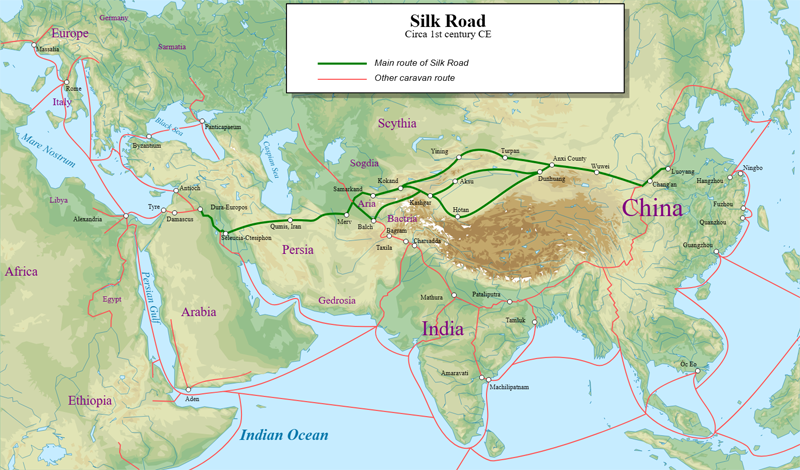
The spice trade wasn’t some lazy back-and-forth. It was a tangled web of ships, caravans, deals, and, let’s be real, some shady stuff. Indian ports like Calicut and Cochin became megahubs where Arab, Persian, Chinese, and later European traders all rubbed elbows, and probably argued over prices.
Arab merchants were key early players. They didn’t just sail the Indian Ocean. They basically owned it for centuries. They kept the source of their spice supply a closely guarded secret, spinning wild tales to keep competitors away. For a while, Europeans believed spices grew near the Garden of Eden, guarded by winged serpents and dangerous beasts. Which is kind of hilarious, and also sad.
The Silk Road played its part too. Caravans loaded with cardamom and cinnamon traveled through Central Asia, taking months to cross deserts and mountains. Each middleman along the way took their cut, which is why by the time spices reached Europe, the prices were astronomical. A single peppercorn was literally counted and valued.
When Europe Got Jealous
Eventually, Europe couldn’t stand being the middleman. They wanted direct access to the source, and more importantly, they wanted to cut out all those middlemen taking a percentage. That’s when things got dicey. Vasco da Gama showed up in Calicut in 1498, and things started to shift. The Portuguese wanted in. So did the Dutch. Then the British. Then the French. Suddenly, India wasn’t just the spice capital. It was the center of an international tug-of-war.
The Portuguese were ruthless. They didn’t just want to trade. They wanted monopoly. They attacked Arab ships, seized ports, and basically declared war on anyone already in the game. The Dutch followed with the same strategy, eventually pushing the Portuguese out of most spice territories. Then the British East India Company entered the scene, and what started as a spice trading venture became full-blown colonization.
Spices weren’t just flavor. They were power. Whoever controlled the trade routes controlled the money. And whoever controlled the ports in India? They had the keys to the kingdom. Entire wars were fought over tiny islands that grew nutmeg. The Dutch and British nearly went to war over the Banda Islands. People died for cinnamon bark.

Spices Changed More Than Just Dinner
Here’s where it gets bigger. The spice trade didn’t just change how food tasted in Europe. It reshaped economies. Sparked wars. Inspired explorers. Funded empires. It was one of the original global obsessions. Long before gold rushes and oil booms, there was spice mania.
Banking systems evolved to handle spice trade financing. Insurance companies were founded to protect spice shipments. New ship designs were invented to carry more cargo faster. Navigation techniques improved. Cartography advanced. All because people wanted their food to taste better and their medicine cabinets stocked.
Even the discovery of the Americas is tied to this. Christopher Columbus? He was looking for a new way to reach India and its spices. He just took a wrong turn and stumbled onto a whole different continent. The funding for his voyage came from Spanish royalty desperate to break into the spice market. Without Indian spices, there might not have been European colonization of the Americas. At least not when it happened.
The economic impact was staggering. Venice became obscenely wealthy as a spice trading hub. Amsterdam’s golden age was built partly on profits from the spice trade. Entire European economies restructured themselves around accessing these flavors from India.
And Yet, It Always Comes Back to the Kitchen
For all that blood and treasure, all the epic sea voyages and colonial cruelty, it’s almost funny that what they were chasing was flavor. Something to make bland food taste better. Something warm and earthy and bright. Something that India had in abundance and Europe desperately craved.
The irony is thick. Empires rose and fell. Millions of lives were altered, often violently. Entire continents were colonized. And the original motivation? Making your stew less boring. It sounds ridiculous when you put it that way, but that’s history for you. The grand and the mundane always mix.
Not Just a Past, But a Pulse
Today, India still produces the majority of the world’s spices. Walk through a market in Kerala or Rajasthan and you’ll be hit with the same fragrances that drove kings mad centuries ago. The air is heavy with cumin and chili and coriander. And that history is alive in every breath.
Modern India exports over 10 billion dollars worth of spices annually. The same ports that once saw Portuguese warships now handle container ships heading to every corner of the globe. The difference? India controls its own trade now. The farmers and merchants who grow and sell these spices aren’t enriching foreign empires anymore.
The spice markets themselves are living museums. In Old Delhi’s Khari Baoli, the largest spice market in Asia, you can find varieties of chili, turmeric, and cardamom that have been traded there for centuries. The knowledge passes down through generations. Spice blenders still mix garam masala by hand, using ratios their great-grandparents taught them.
Next time you stir turmeric into your lentils or grind cardamom for your tea, think about how many lives were changed by these tiny seeds and pods. Think about how they pulled ships across oceans and rewrote human history. Think about the merchants who died at sea, the sailors who spent years away from home, the farmers who perfected their cultivation over millennia. Then take a bite and taste all that history in a single moment.
Sources:
1. National Geographic
2. Smithsonian Magazine