Liquid Gold and Blood: How the Aztecs Turned Chocolate Into Power
Liquid Gold and Blood: How the Aztecs Turned Chocolate Into Power
Before it was a sweet treat wrapped in foil, chocolate was sacred. Bitter. Powerful. And maybe even deadly.
A World Where Chocolate Wasn’t Candy
Let’s start with this: if you offered an Aztec noble a Snickers bar, he might be horrified. Not because he didn’t like chocolate, but because you just defiled a sacred drink by drowning it in sugar, dairy, and peanuts. You’ve taken something divine and turned it into junk food.
For the Aztecs, cacao wasn’t dessert. It was currency. It was ritual. It was fuel for warriors and gods. It was political capital. In fact, chocolate, or rather xocolatl (pronounced roughly “show-ko-LAH-tul”), wasn’t even sweet. It was ground cacao mixed with chili peppers, cornmeal, sometimes vanilla or honey, and water. Thick. Fiery. Intense. And if you drank it, you were doing more than hydrating. You were entering a spiritual contract.
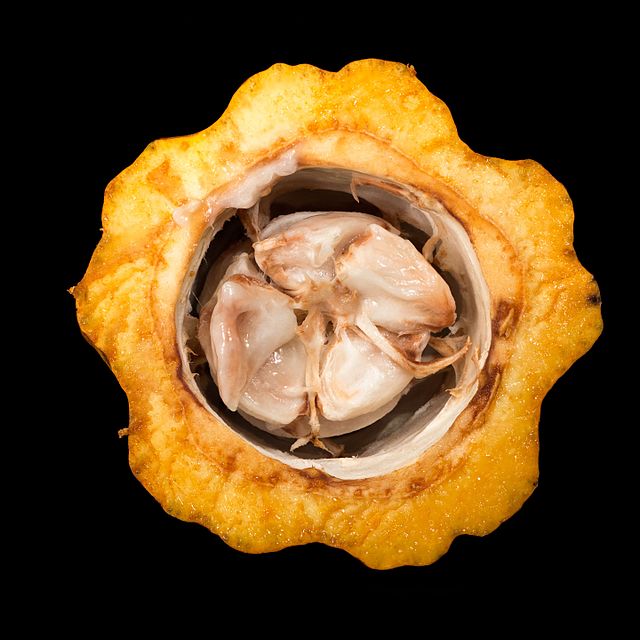
The drink was prepared through an elaborate process. Cacao beans were fermented, dried, roasted, and ground on a stone called a metate. The resulting paste was mixed with water and spices, then poured from one vessel to another from a height to create a thick foam on top. That foam was the best part, the sign of a properly prepared drink, a frothy crown that signaled quality and care.
The taste would shock a modern palate. Bitter, spicy, complex, with none of the sweetness we associate with chocolate today. Some versions included achiote for color and earthiness. Others added flowers or aromatic herbs. This wasn’t hot cocoa. This was something else entirely.
Money Grows on Trees?
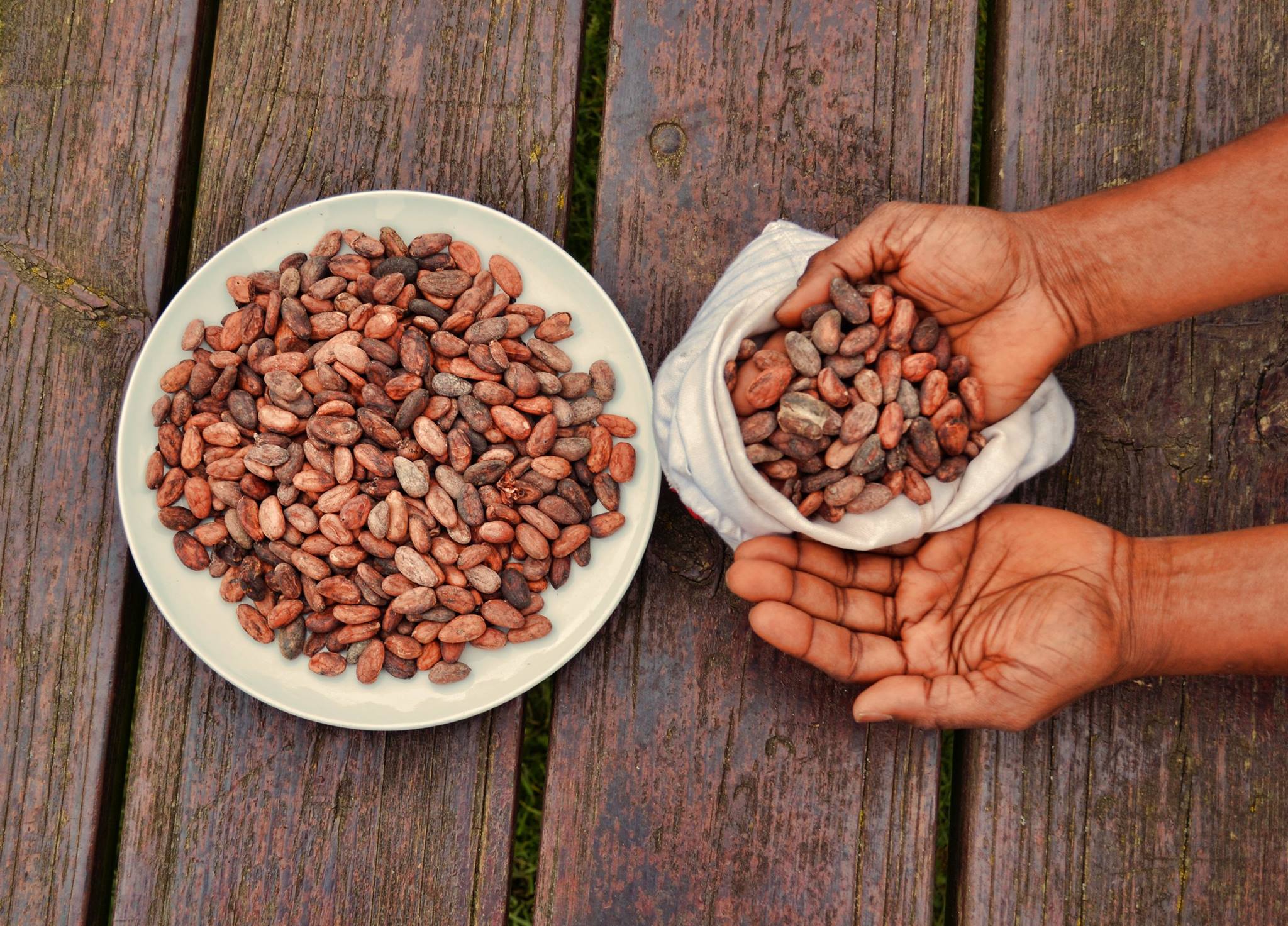
Cacao beans were so valuable in Mesoamerica that they were used like money. A rabbit might cost 10 beans. A turkey? 20 beans. A tamale? One bean. A slave? About 100 beans, maybe more depending on their skills and health. That’s right, you could literally buy a human being with chocolate. Which, when you think about it, is as dystopian as it is fascinating.
The beans were even subject to counterfeiting. Some clever individuals would hollow out cacao shells, fill them with dirt or avocado pits, and seal them back up. The ancient equivalent of printing fake money, except your forgery was a dirt-filled seed.
The Aztecs didn’t grow cacao in their high-altitude capital of Tenochtitlán, the massive city built on an island in Lake Texcoco (now Mexico City). The climate was all wrong. Cacao trees need tropical conditions: heat, humidity, shade. They demanded it as tribute from conquered territories in the lowlands, places like the regions we now call Tabasco, Chiapas, and Veracruz.
Think of it as a divine tax. You rule a region? Cool. Now send us thousands, sometimes hundreds of thousands, of cacao beans each year or face the wrath of our jaguar warriors and eagle knights. The Aztec tribute system was complex and ruthlessly efficient. Records show that some provinces had to deliver 400 large cloths full of cacao beans annually.
The empire’s expansion was driven partly by the need for luxury goods, and cacao was at the top of that list. Control the cacao trade, control the wealth. Control the wealth, control the empire.
Chocolate, But Make It Religious
Here’s where things get intense. Cacao wasn’t just for kings and warriors. It played a role in blood sacrifices, one of the most important aspects of Aztec religion. Victims would sometimes drink xocolatl before being offered to the gods. Imagine that: your last meal is a bitter, spicy drink that’s supposed to prepare you for your journey to the afterlife.
Some accounts even suggest cacao was mixed with human blood, creating a kind of sacred cocktail that blurred the line between food and ritual. Whether this happened regularly or was reserved for specific ceremonies is debated by historians, but the symbolism is clear: chocolate connected the human and divine realms.
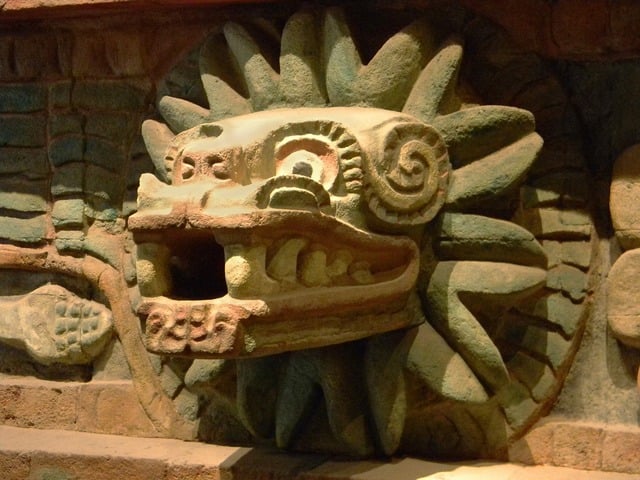
The god Quetzalcoatl, the feathered serpent, was believed to have gifted cacao to humanity. According to legend, he stole it from paradise and brought it to earth so humans could enjoy what the gods drank. So, drinking chocolate wasn’t just tasty or nourishing. It was a way of honoring the divine, of participating in something that connected you to the gods themselves.
But only the elite could afford to sip it regularly. Nobles, warriors, merchants, priests, they had access. For commoners? Not so much. Drinking cacao regularly was a privilege reserved for those with power and status. Though common people might taste it at festivals or special occasions, daily consumption was beyond their reach.
This exclusivity made chocolate even more desirable. It was a visible marker of status. If you were drinking xocolatl at a banquet, everyone knew you mattered.
Battle Juice for the Elite
Aztec warriors drank cacao before battle. Think of it as their version of pre-workout, but far more poetic and probably more effective given the caffeine and theobromine content in cacao. It was supposed to give strength, focus, and courage, to sharpen the mind and steady the nerves before facing death.
Warriors would gather before dawn, paint themselves in the colors of their military orders (jaguars wore spotted patterns, eagles wore feathered headdresses), and drink communal cups of xocolatl. The ritual was as important as the drink itself. You weren’t just caffeinating. You were bonding with your fellow soldiers, preparing spiritually for what came next.
Even emperors used chocolate politically. Montezuma II (often called Moctezuma) reportedly drank dozens of cacao cups a day, some accounts claim 50, to boost virility and command presence. Was it effective? Who knows. But the message was clear: cacao is power, and the emperor had access to unlimited amounts of it.
He served xocolatl to visiting dignitaries and nobles at elaborate feasts. The drink was presented in golden goblets, sometimes decorated with precious stones. After drinking, the cups were thrown away, a display of such extravagant wealth it stunned Spanish observers when they first witnessed it.
Source:
1. Coe, Sophie D., and Michael D. Coe. The True History of Chocolate (Thames & Hudson, 2013)
2. Smithsonian Magazine: History, Cacao, and Aztecs